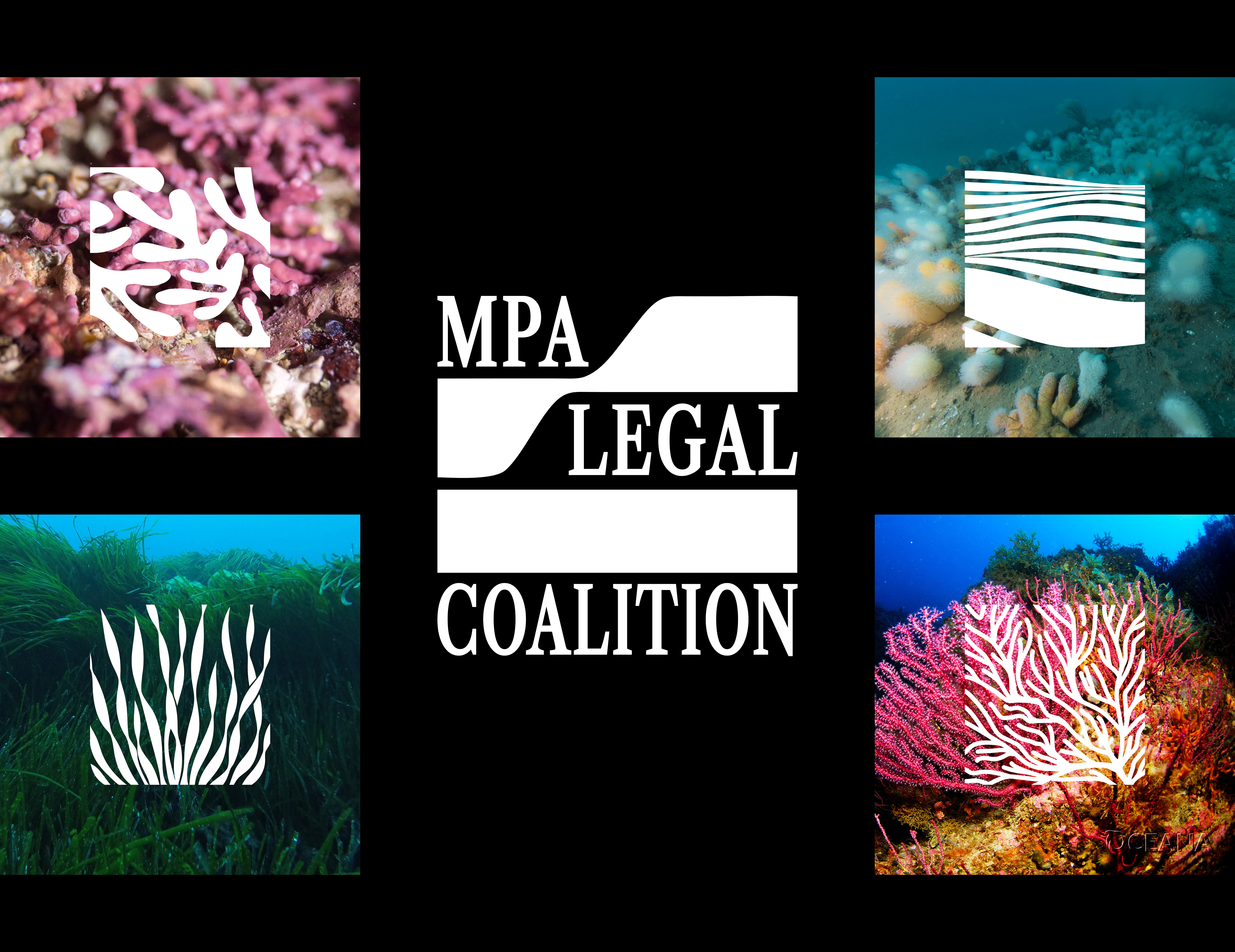

Europe’s protected ocean ecosystems are the lifeblood of systems on land — vital sources of socio-economic value and security for communities far from the shore. But destructive fishing still takes place across these vital habitats, in direct contravention of established EU law. That’s why civil society organisations are coming together to ensure that EU nature laws are finally enforced, legal obligations are fulfilled, and governments are held to account.
Our protected waters must be protected in practice, not just on paper.
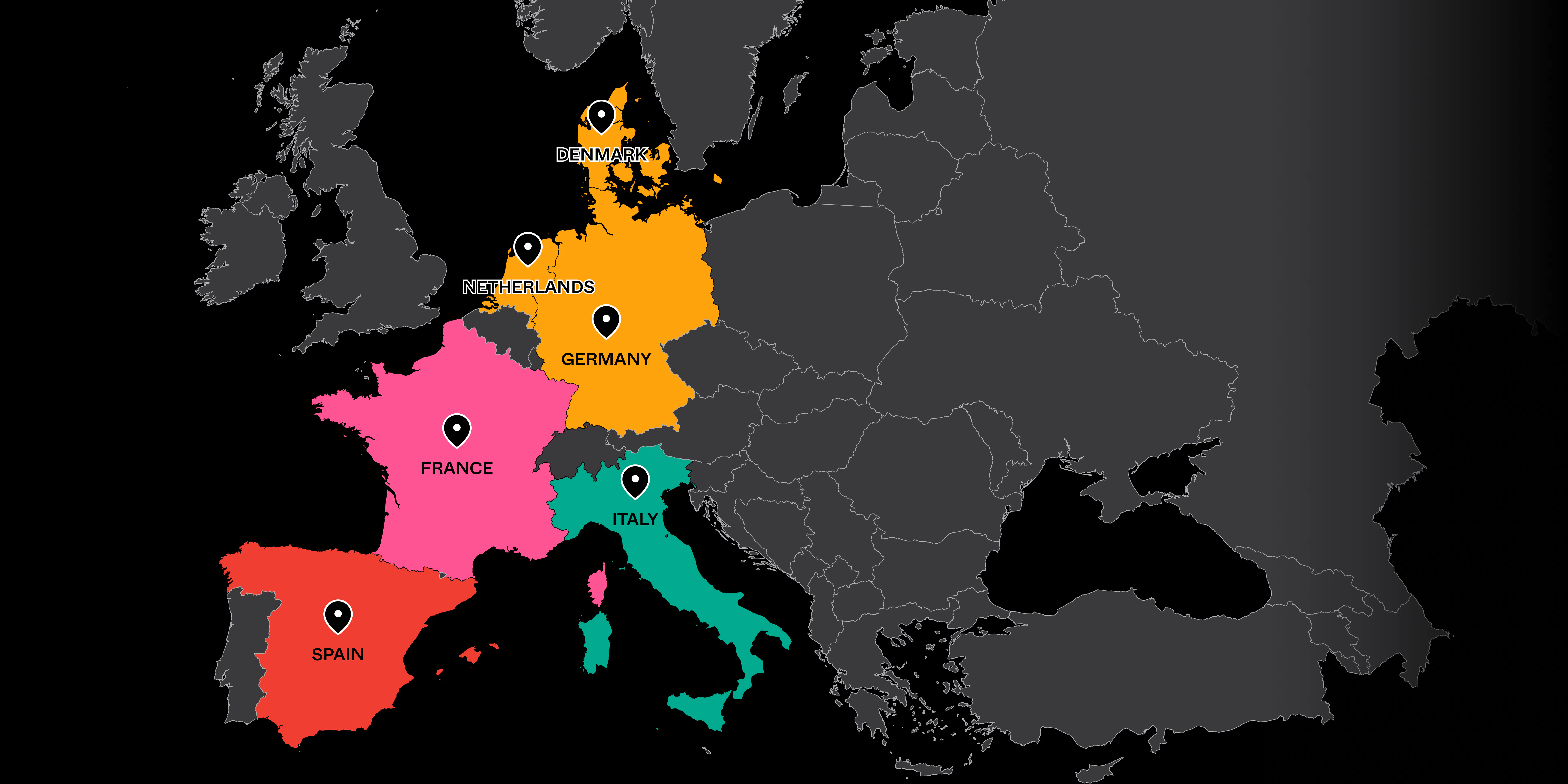


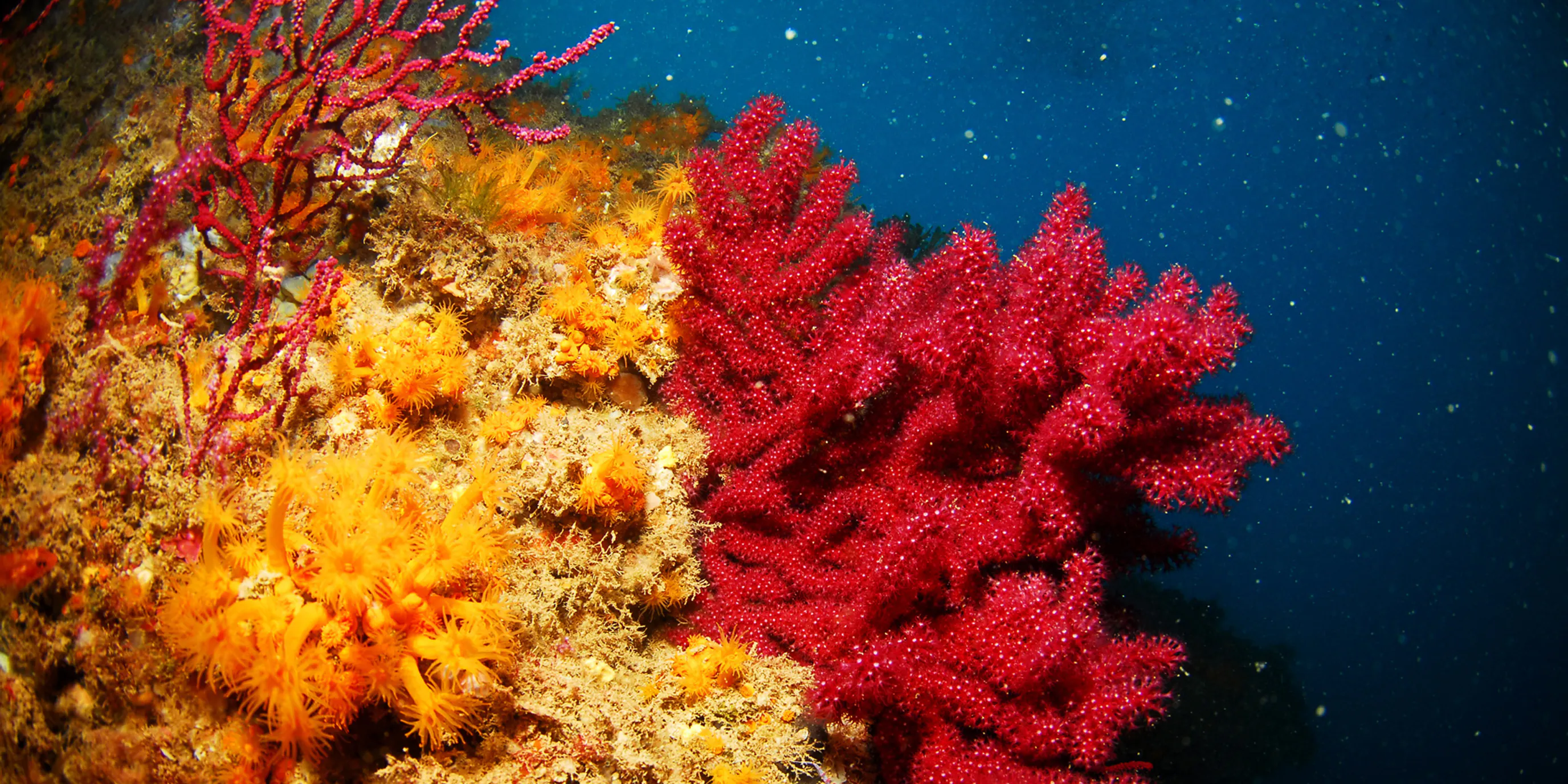
The Mediterranean Sea harbours some of the world’s richest hotspots of biodiversity: coralligenous reefs. Home to over 1700 species, these unique ecosystems are at risk of irreversible damage from bottom trawlers and agricultural runoff.

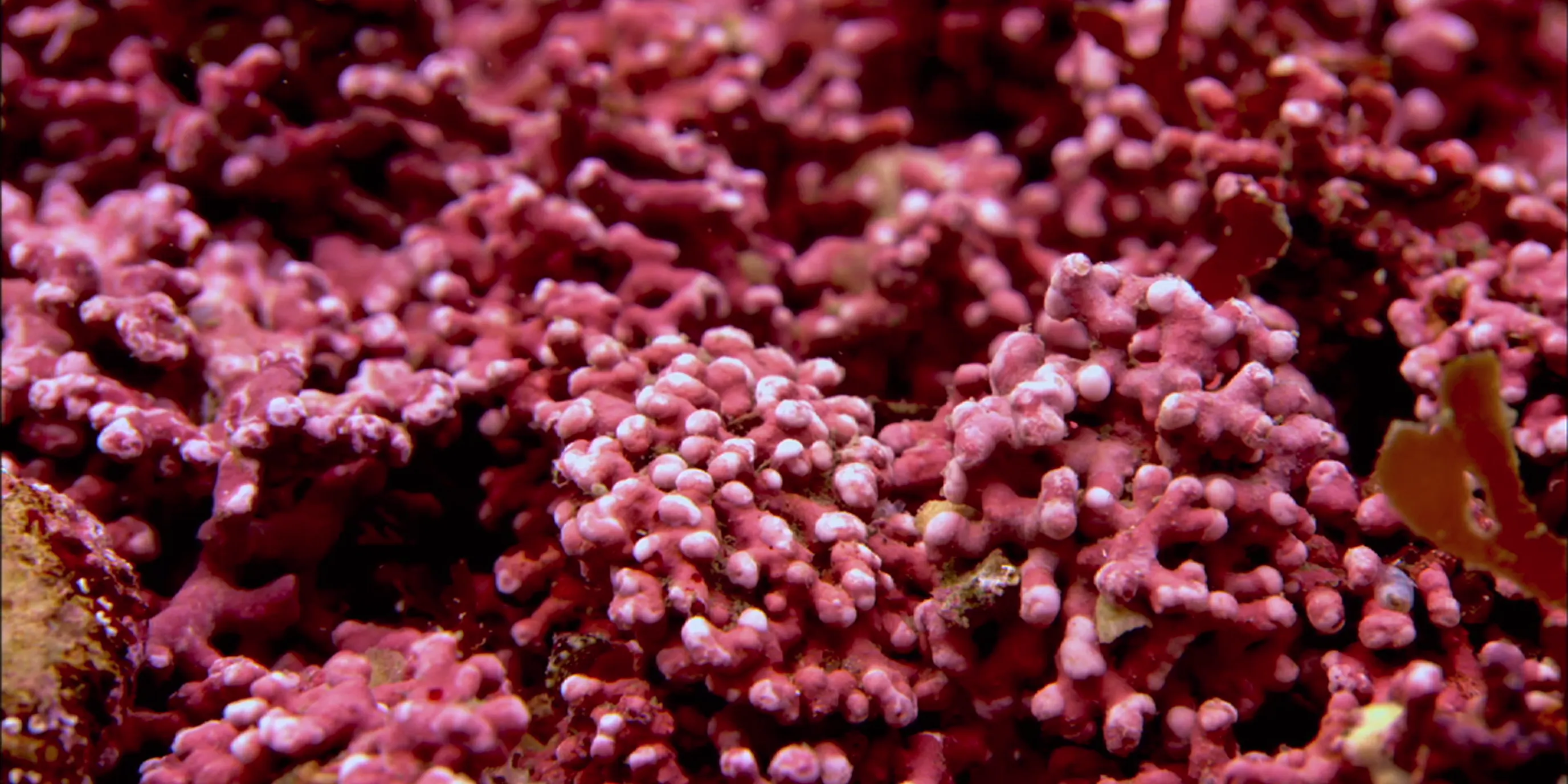
Off the French Atlantic coast live maërl beds: pink, coral-like algae that act as a nursery for essential fishing species and together form one of Europe’s most productive ecosystems. Alongside them, unique sandbanks designated as a Special Area of Conservation provide equally crucial nursery habitats for marine life. Yet bottom trawlers are destroying in minutes structures that took centuries to grow.

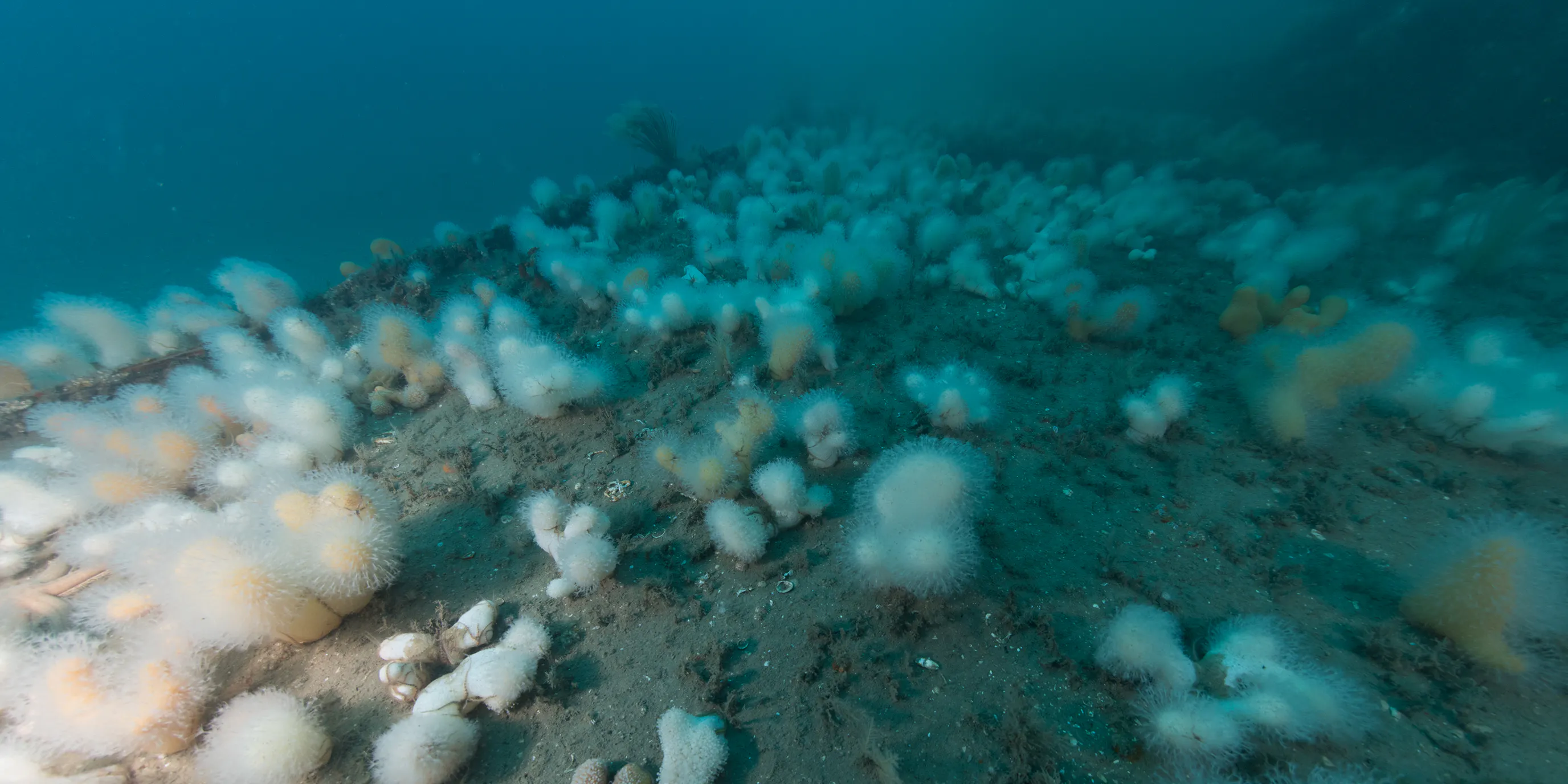
In a major victory for Europe’s marine protected areas, a Dutch court recently ruled against unpermitted bottom trawling in the Dogger Bank, the most ecologically important sandbank of the North Sea, also known as ‘the nursery of the North Sea’.

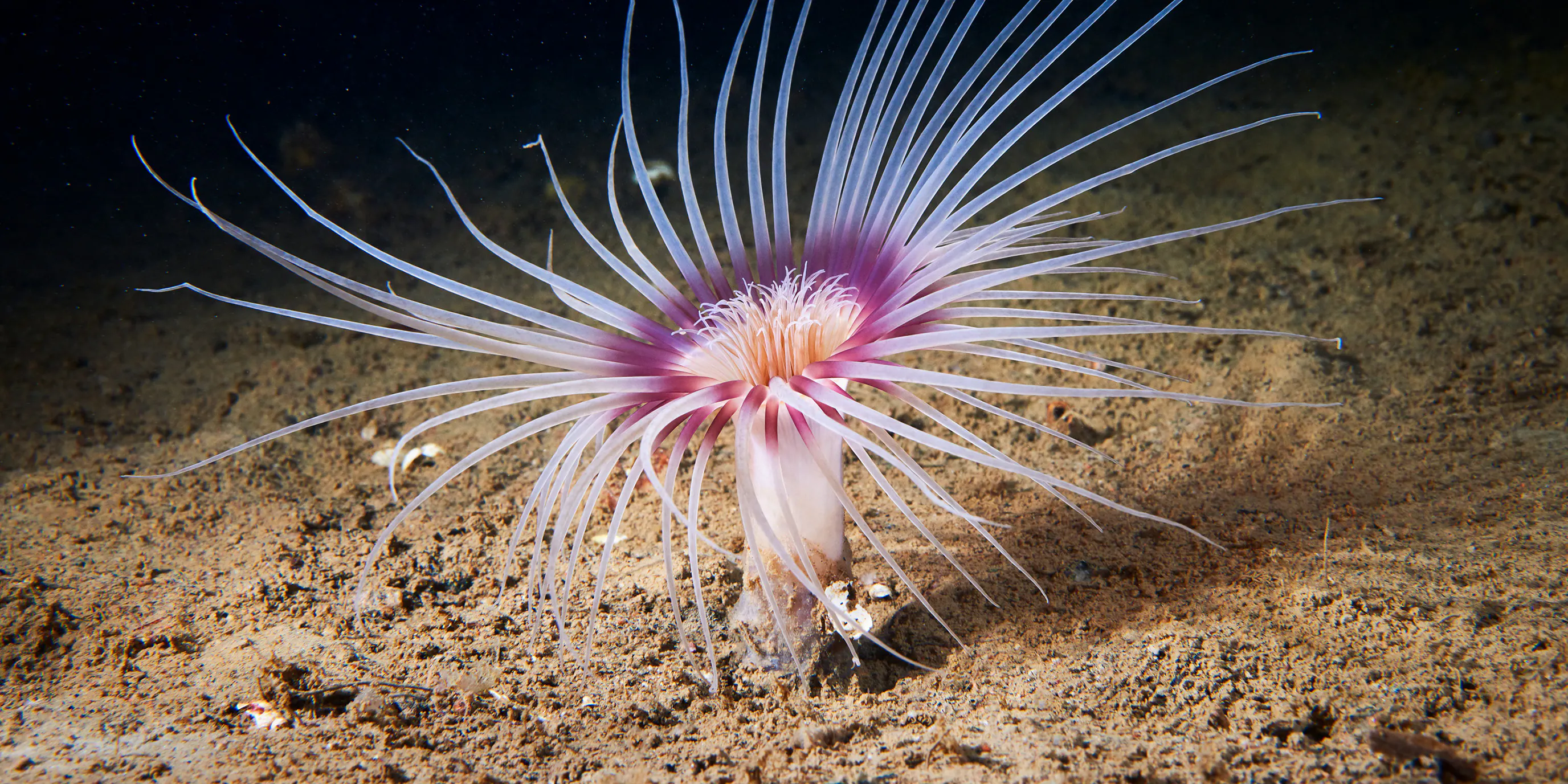
Germany's North Sea is home to two extraordinary but very different marine ecosystems: the coastal Wadden Sea and the offshore Dogger Bank.

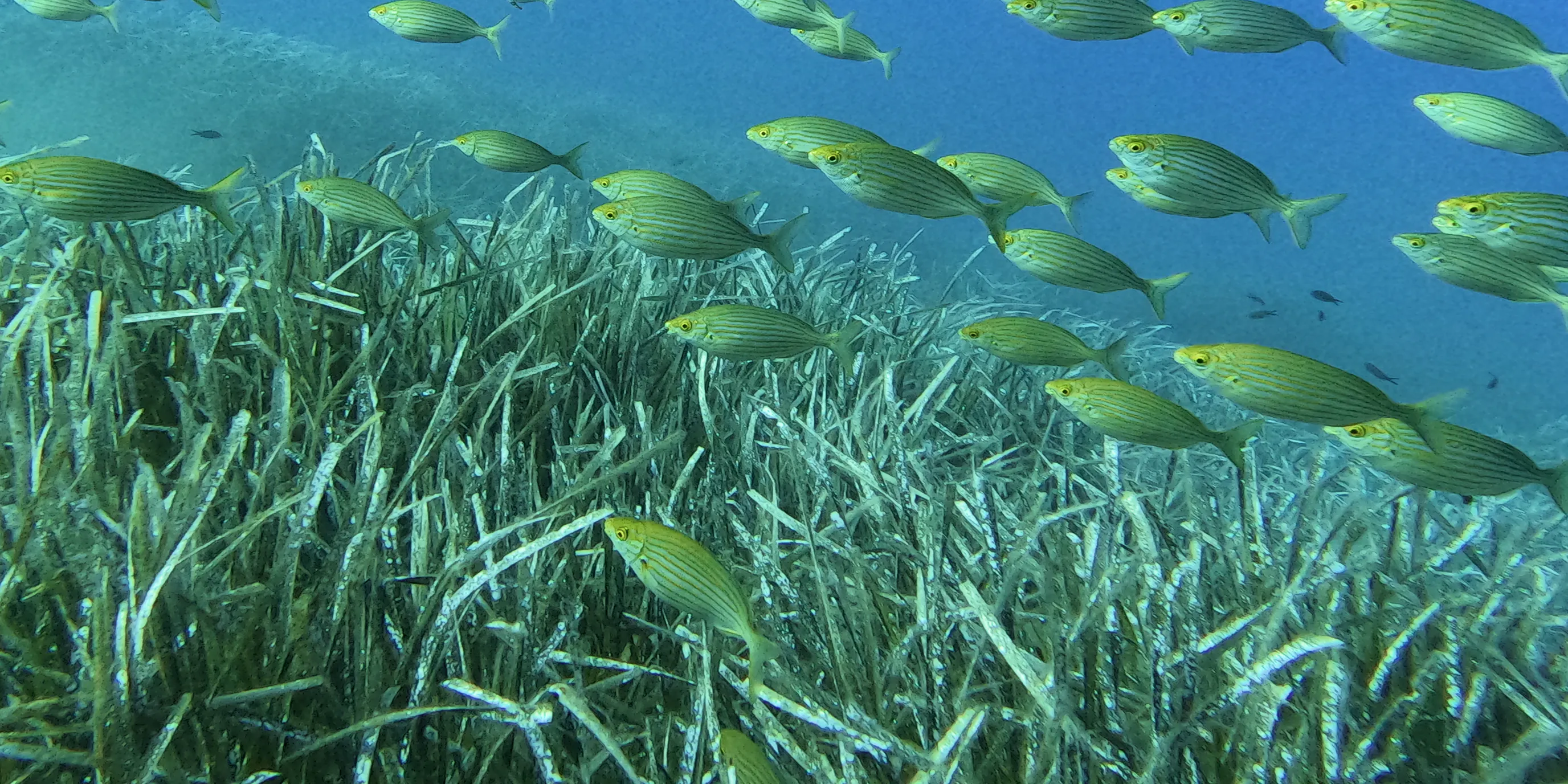
Sea turtles and dolphins forage in seagrass meadows across the Mediterranean. Among nature’s most efficient carbon sinks and coastal buffers against storm surge, seagrasses have been declining for decades as a result of unrestricted fishing activity.

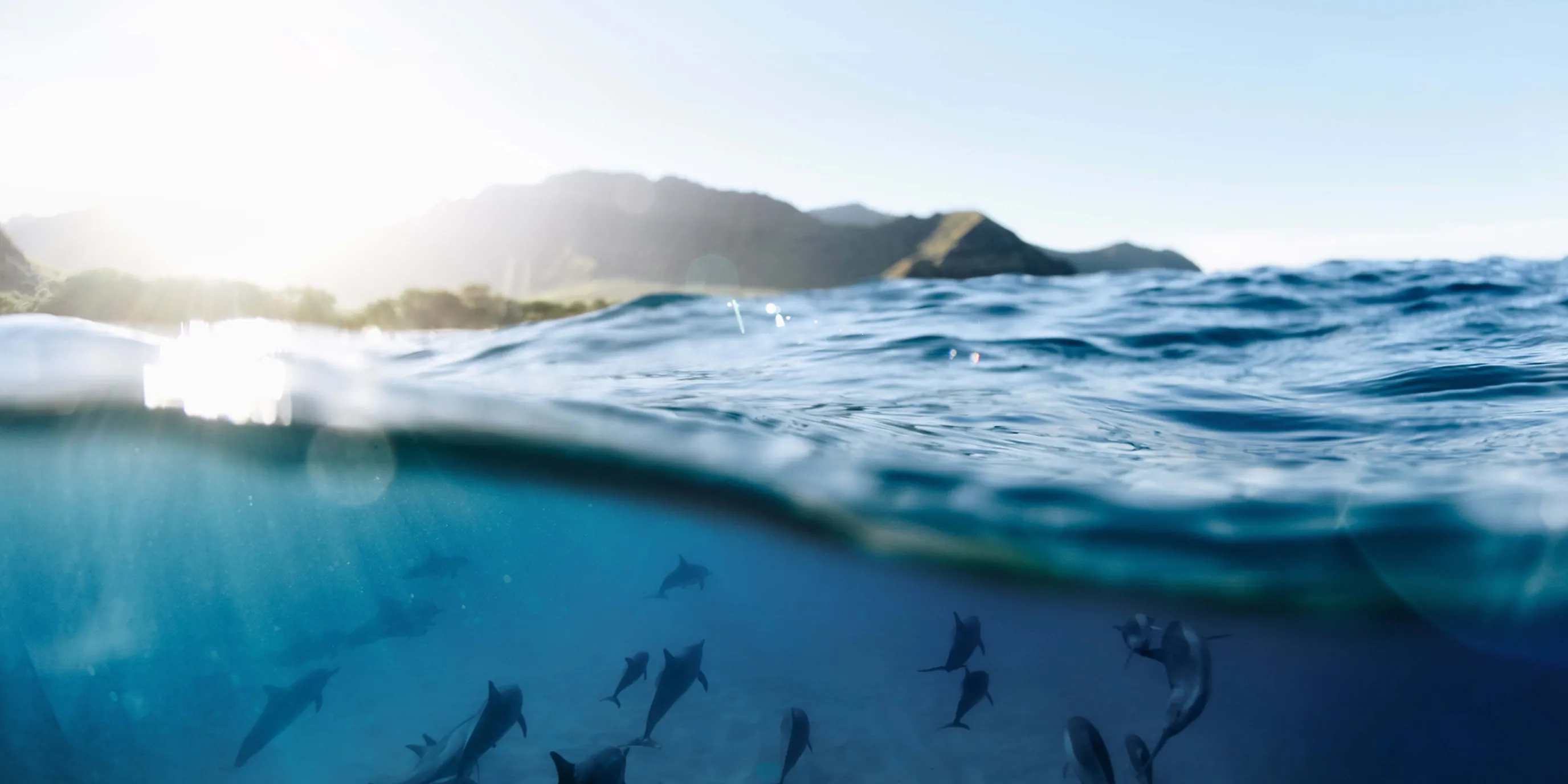
Through the coordination of strategic complaints to the European Commission, national litigation and scientific knowledge-sharing across Europe, the Coalition is supercharging efforts to protect Europe’s foundational marine ecosystems and accelerate the robust implementation of existing environmental laws.

ㅤ
ㅤ
Powered by